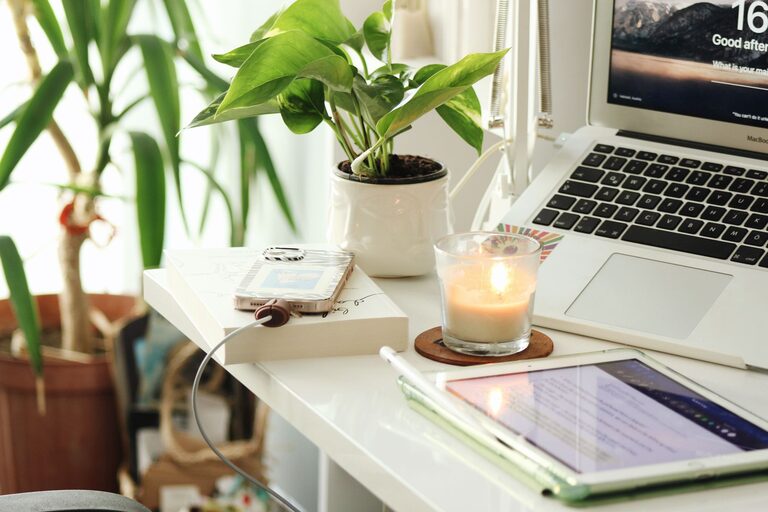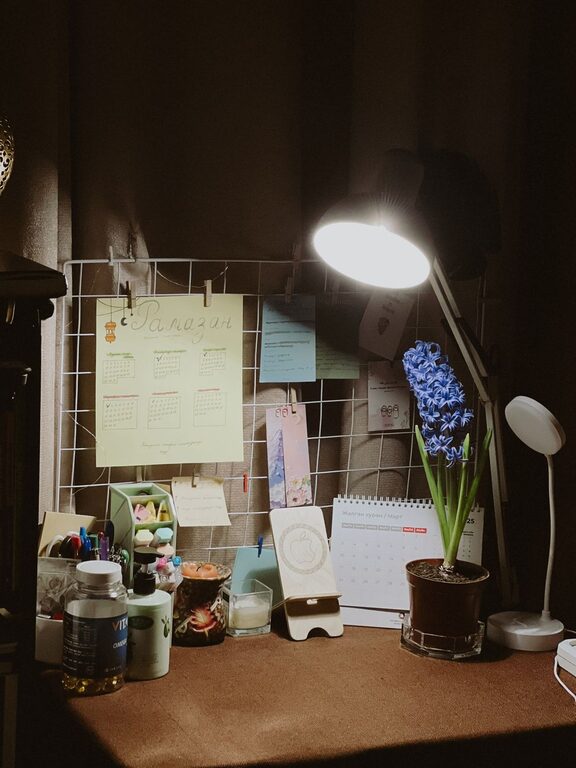







Creating a cozy and inviting home workspace is essential for anyone who works from home or spends a significant amount of time on personal projects. A well-designed area can increase your focus, reduce stress, and make your workday more enjoyable. Whether you have a dedicated room or a small corner, these tips will help you transform your space into a comfortable and productive environment.
Choose the Right Location
Finding the ideal spot for your workspace is the first step. Consider areas with natural light, minimal distractions, and enough room for your essentials. If possible, select a quiet corner away from household traffic to maintain concentration. Even a small nook near a window can offer a refreshing view and better lighting.
Invest in Comfortable Seating
Your chair is one of the most important elements in your home office. Choose an ergonomic chair that supports your back and encourages good posture. If you’re on a budget, try adding cushions or lumbar supports to existing chairs. Comfort will help you focus longer and reduce the risk of aches and pains.
Optimize Lighting
Good lighting reduces eye strain and sets a pleasant mood. Aim for a combination of natural light and adjustable artificial lighting. Desk lamps with warm light bulbs can create a cozy atmosphere. Avoid harsh overhead lights and position your monitor to minimize glare.
Personalize Your Space
Add touches that make your workspace uniquely yours. This might include artwork, plants, or personal photos. Plants in particular boost mood and air quality while adding a bit of nature indoors. Choose decorations that inspire and relax you, but avoid clutter that can distract.
Keep Your Workspace Organized
Clutter can quickly turn your cozy space into a stressful one. Use organizers such as trays, shelves, or drawer organizers to keep supplies tidy and accessible. Regularly declutter your desk by putting away unnecessary items. A neat workspace creates a clear mind and helps maintain productivity.
Incorporate Functional Furniture
Look for furniture that blends comfort and practicality. A desk with enough surface space to accommodate your technology and paperwork is key. Consider storage solutions that hide cables and accessories. If space is limited, multi-purpose furniture like desks with built-in shelves can maximize utility.
Manage Noise Levels
Depending on your surroundings, noise can be distracting or comforting. Use noise-canceling headphones to block out unwanted sounds or play ambient music or white noise to improve focus. Soft furnishings like rugs and curtains can absorb sound and make the room feel quieter.
Add Cozy Textiles
Incorporate textiles such as cushions, throws, or rugs to soften the space and add warmth. These elements make your workspace feel inviting and can enhance comfort during long working hours. Choose fabrics with textures and colors you enjoy but keep them easy to clean.
Create a Routine and Boundaries
While not a physical part of your setup, establishing a daily routine and clear boundaries is vital. Design your workspace so that it signifies a separation from relaxation areas. This helps train your brain to switch into work mode when you’re in your workspace and unwind when you leave it.
Make Time for Breaks and Movement
Include space or reminders to take breaks. A small area for stretching or a nearby window for fresh air encourages regular movement. Breaks increase productivity and help maintain physical and mental well-being.
—
Creating a cozy and inviting home workspace doesn’t have to be expensive or complicated. By focusing on comfort, personalization, organization, and lighting, you can build a space where you enjoy spending time and working effectively. Start with small changes and adjust your setup as you discover what works best for you. Your workspace should reflect your needs and personality, ultimately supporting your productivity and happiness.